

Introduction
Neem, scientifically known as Azadirachta indica, is a tree native to the Indian subcontinent and widely recognized for its vast medicinal, agricultural, and environmental benefits. Known as the “miracle tree” or “village pharmacy,” neem has been an integral part of traditional medicine, especially in Ayurveda, for thousands of years. With its potent antibacterial, antifungal, antiviral, and anti-inflammatory properties, neem has gained worldwide recognition. This article explores the history, benefits, applications, and scientific significance of neem in depth.
Botanical Description
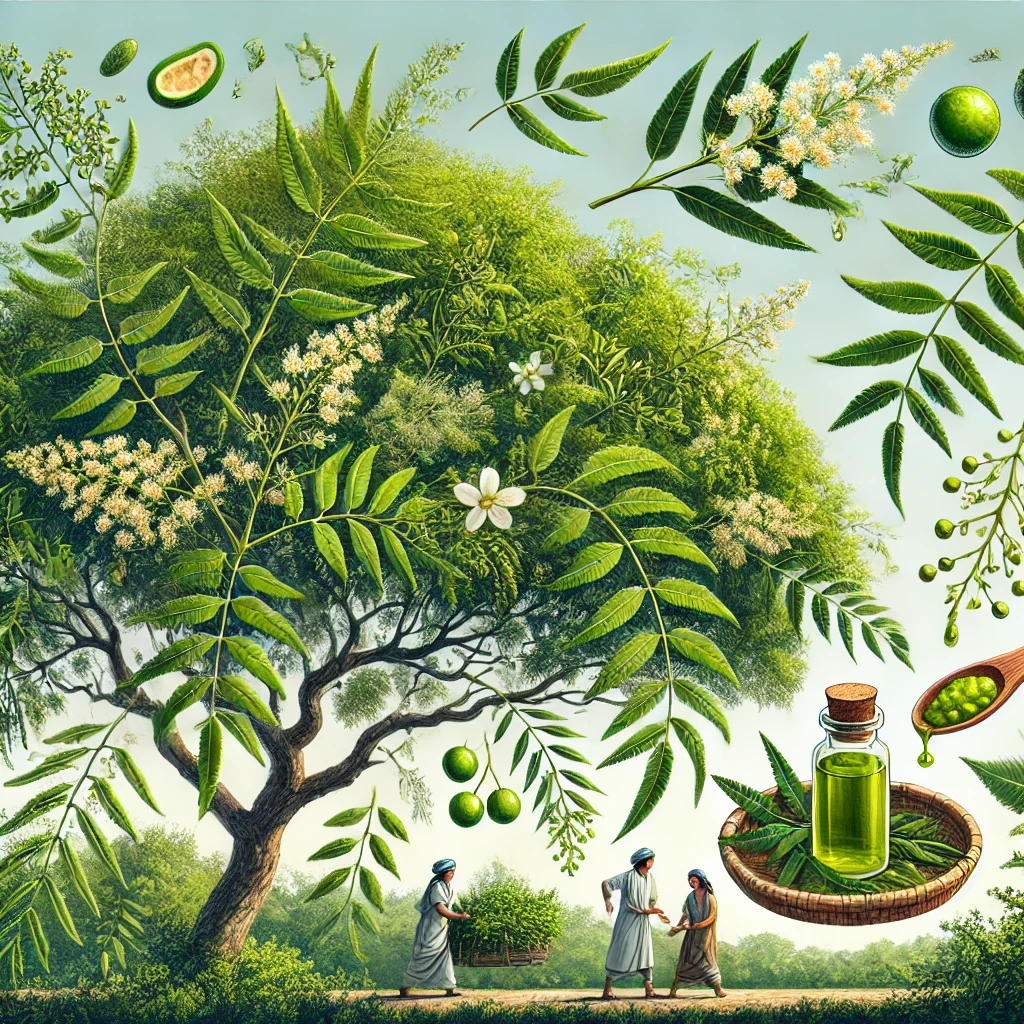
Neem belongs to the Meliaceae family, commonly known as the mahogany family. It is a fast-growing evergreen tree that can reach a height of 15 to 30 meters. The tree features a robust root system, a straight trunk, and a dense, round crown of dark green leaves. The leaves are compound, with serrated edges, and the flowers are small, white, and fragrant. The fruit is a drupe with a bittersweet pulp enclosing one seed.
Historical Significance and Traditional Uses
Neem has been used in traditional Indian medicine for over 4,000 years. Ancient texts such as the Charaka Samhita and Sushruta Samhita mention neem as a powerful remedy for various ailments. Neem twigs were traditionally used as toothbrushes for oral hygiene, while its leaves were applied to wounds and skin conditions. The bark and roots were also utilized in decoctions to treat fevers and infections. In addition, neem played a vital role in religious and cultural rituals, symbolizing purification and protection.
Chemical Composition
Neem is rich in bioactive compounds responsible for its diverse therapeutic applications. Some of the key phytochemicals include:
- Azadirachtin: A potent insecticidal agent that disrupts insect growth and reproduction.
- Nimbin and Nimbidin: Known for their anti-inflammatory, antifungal, and antibacterial properties.
- Gedunin: Effective against malaria and possesses anticancer potential.
- Sodium nimbinate: A powerful antifungal agent.
- Quercetin and Flavonoids: Antioxidants that enhance the immune system.
Medicinal Benefits of Neem
Neem’s medicinal benefits span across various health domains:
1. Skin Health
Neem is widely used in skincare due to its antibacterial and antifungal properties. It helps treat acne, eczema, psoriasis, and fungal infections. Neem oil and paste are applied to wounds to promote healing and prevent infections. It also acts as a natural moisturizer, reducing dryness and itching.
2. Oral Hygiene
Neem twigs, commonly called “datun,” have been used as natural toothbrushes. Their antibacterial properties prevent cavities, gingivitis, and bad breath. Modern toothpaste and mouthwashes incorporate neem extracts to enhance oral health.
3. Immune System Booster
Neem enhances immunity by stimulating the production of white blood cells and fighting infections. Its antiviral properties help combat illnesses like flu and common colds.
4. Antidiabetic Effects
Neem leaves have been traditionally used to control blood sugar levels. Scientific studies suggest that neem may improve insulin sensitivity and lower blood glucose levels.
5. Liver and Kidney Protection
Neem detoxifies the liver and kidneys, removing harmful toxins from the body. It protects against liver disorders such as jaundice and fatty liver disease.
6. Anti-Cancer Properties
Research indicates that neem extracts possess anticancer potential by inducing apoptosis (programmed cell death) in cancer cells. Its antioxidant properties also reduce oxidative stress, a key factor in cancer development.
7. Gastrointestinal Health
Neem helps treat digestive disorders such as ulcers, gastritis, and constipation. It combats harmful gut bacteria while promoting the growth of beneficial microbes.
8. Antiviral and Antibacterial Properties
Neem is effective against various bacterial and viral infections, including tuberculosis, pneumonia, and herpes. It strengthens the body’s natural defense mechanisms against pathogens.
Agricultural Uses
Neem has revolutionized sustainable agriculture due to its natural pest-repelling abilities. Some of its major agricultural benefits include:
1. Natural Pesticide
Neem-based pesticides are eco-friendly alternatives to synthetic chemicals. Azadirachtin disrupts insect growth and reproduction, controlling pests like aphids, whiteflies, and caterpillars.
2. Soil Fertility Enhancement
Neem cake, a byproduct of neem oil extraction, is used as an organic fertilizer. It enriches the soil, promotes microbial activity, and improves crop yield.
3. Post-Harvest Protection
Neem extracts are used to preserve grains and seeds by preventing fungal and insect infestations.
Environmental Significance
Neem plays a crucial role in environmental conservation:
1. Air Purification
Neem trees absorb carbon dioxide and release oxygen, improving air quality.
2. Water Purification
Neem leaves and bark have been traditionally used to purify water by removing harmful microbes.
3. Reforestation and Deforestation Control
Due to its fast growth and resilience, neem is used in afforestation programs to combat desertification.
Industrial and Commercial Applications
Neem’s benefits extend beyond medicine and agriculture into various industries:
1. Cosmetics Industry
Neem is an essential ingredient in soaps, shampoos, lotions, and creams, catering to skincare and haircare needs.
2. Pharmaceutical Industry
Pharmaceutical companies utilize neem extracts in formulations for treating infections, diabetes, and inflammation.
3. Textile Industry
Neem-based dyes and antimicrobial treatments are used in fabrics to prevent microbial growth.
4. Pet Care
Neem oil is used in shampoos and sprays to repel ticks, fleas, and other parasites in pets.

Scientific Research and Modern Applications
Numerous scientific studies validate neem’s therapeutic potential. Researchers continue to explore its role in combating antibiotic resistance, chronic diseases, and even neurological disorders.
1. Antibiotic Resistance
Neem extracts have shown efficacy against drug-resistant bacterial strains, offering potential in the fight against antibiotic resistance.
2. Neurological Disorders
Preliminary studies suggest neem’s neuroprotective effects could aid in treating Alzheimer’s and Parkinson’s diseases.
3. COVID-19 Research
Neem’s antiviral properties have been investigated for their potential in managing COVID-19 symptoms and boosting immunity.
Conclusion
Neem (Azadirachta indica) stands as one of the most versatile and beneficial trees known to humanity. Its applications in medicine, agriculture, environment, and industry make it a true “miracle tree.” As scientific research continues to uncover its vast potential, neem’s role in sustainable living and healthcare is set to expand further. Embracing neem in our daily lives can contribute to a healthier, greener, and more sustainable future.
